What to Do the Night Before an Exam: A Realistic Checklist
Oct 25, 2026 · 8 min read · The Quizard Team
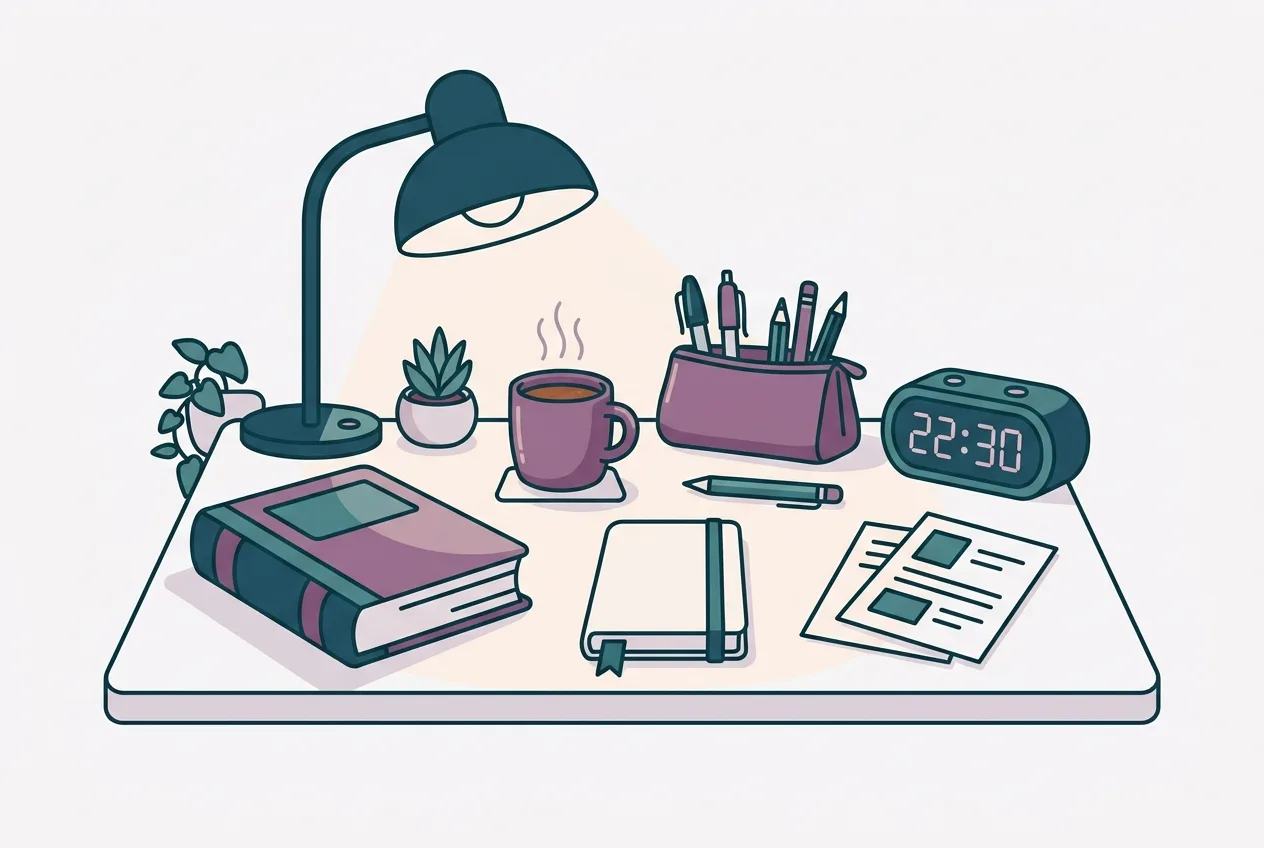
The night before an exam, focus on consolidating existing knowledge, ensuring adequate rest, and meticulously preparing all logistical details. Avoid introducing new material or attempting intense last-minute cramming, as these actions are more likely to hinder performance than help. Your primary goal is to arrive at the exam rested, calm, and ready to demonstrate what you already know.
Prioritize Quality Sleep
Sleep is not a luxury you can afford to cut short before an exam; it is a critical component of effective study and successful performance. During sleep, your brain actively processes and consolidates the information you learned throughout the day. This consolidation turns new memories into stable, long-term knowledge, making it easier to recall facts and apply concepts during your exam. Lack of sleep impairs cognitive functions such as attention, concentration, problem-solving, and critical thinking – precisely the skills you need most.
Aim for seven to nine hours of uninterrupted sleep. Establishing a consistent bedtime routine can help signal to your body that it's time to wind down. This might include turning off screens an hour before bed, reading a non-academic book, or taking a warm shower. Avoid caffeine, heavy meals, or intense exercise late in the evening, as these can disrupt your sleep cycle. Remember, an extra hour of sleep can be far more beneficial than an extra hour of frantic, late-night studying.
Light Review, Not Cramming
The night before an exam is for reviewing, not for learning new material. Trying to absorb complex new topics at the last minute often leads to superficial understanding and increased anxiety, overwhelming your brain without significant retention. Instead, dedicate a short, focused period – no more than one to two hours – to a light review of your weakest areas.
The purpose of this review is to refresh your memory on concepts you've already studied but might feel less confident about. It's about strengthening existing neural pathways, not forging new ones. Identify topics or questions that consistently challenge you during practice. This targeted approach is more effective than a broad, unfocused re-read of everything.
Strategic Review Techniques
When conducting your light review, focus on active recall and efficient methods rather than passive reading.
- Practice Questions and Flashcards: These are highly effective for identifying knowledge gaps and reinforcing retrieval. Run through a small set of challenging flashcards or attempt a few practice questions on topics you're less confident about. If you use Quizard, you can quickly generate exam-style questions or flashcards directly from your lecture slides or notes, allowing you to target specific areas for a rapid refresh. Its coverage map can also highlight slides you haven't practiced, guiding your review. This active engagement helps solidify information. Learn more about active recall for exams.
- Review Summaries and Outlines: Quickly scan any summaries you've created, chapter outlines, or key concept lists. These provide a high-level overview without getting bogged down in details. Pay attention to diagrams, charts, or formulas that you often confuse.
- Focus on 'Why': Instead of just recalling facts, briefly think about why certain concepts are true or how different ideas connect. This reinforces deeper understanding.
- Walk Away: Once your focused review period is over, stop. Continuing to review past this point often leads to diminishing returns and increased stress. Trust the preparation you've already done.
Prepare Exam Logistics
Beyond academics, preparing the practical aspects of your exam day can significantly reduce stress and prevent last-minute rushes. A smooth morning sets a positive tone for your performance.
- Gather All Materials: Check your exam instructions for allowed items. Pack your bag with pens, pencils, erasers, a calculator (with fresh batteries), ruler, student ID, and any permitted notes or textbooks. Lay them out clearly so you can grab them easily in the morning.
- Plan Your Outfit: Choose comfortable, layered clothing. Exam rooms can have unpredictable temperatures, and discomfort can be a distraction.
- Set Multiple Alarms: Set several alarms on different devices to ensure you wake up on time. Place your phone or alarm clock across the room if you tend to hit snooze.
- Confirm Travel: Plan your route to the exam location. Factor in potential traffic, public transport delays, or parking issues. If possible, do a dry run a few days before to estimate travel time accurately.
- Healthy Snacks and Water: Pack a light, energizing snack and a water bottle if allowed. Staying hydrated and avoiding hunger pangs can help maintain focus.
- Don't Forget Breakfast: Plan a nutritious, easily digestible breakfast. Avoid sugary cereals or heavy, greasy foods that can cause a sugar crash or an upset stomach.
Mental Preparation and Stress Management
The night before an exam can bring heightened anxiety. Managing this stress is crucial for clear thinking.
- Mindfulness and Relaxation: Dedicate 10-15 minutes to a relaxation technique. This could be deep breathing, progressive muscle relaxation, or a short guided meditation. These techniques calm your nervous system and promote a sense of control.
- Positive Visualization: Imagine yourself calmly and confidently answering questions in the exam room. Visualize successfully recalling information and feeling good about your performance. This positive mental rehearsal can build confidence and reduce apprehension.
- Avoid Negative Self-Talk: Challenge any negative thoughts or doubts. Replace "I'm going to fail" with "I've prepared well, and I will do my best." Your mindset significantly impacts your performance.
- Connect with Others (Non-Academic): Briefly chat with a friend or family member about non-exam related topics. This can provide a healthy distraction and remind you that there's more to life than just this one exam. Avoid talking about the exam itself with peers, as this can often lead to comparing notes and increasing anxiety.
- Light Activity: A short walk or some gentle stretching can release tension and clear your head without being overly stimulating.
What to Absolutely AVOID
Certain actions the night before an exam are counterproductive and should be avoided.
- All-Nighters: Pulling an all-nighter severely impairs memory, concentration, and problem-solving skills. The minor gain in study time is almost always outweighed by the significant drop in cognitive function.
- Learning New Material: Resist the urge to dive into completely new topics or chapters you haven't touched. This is cramming, not reviewing, and is ineffective at this stage. Stick to consolidating what you already know.
- Excessive Caffeine or Energy Drinks: While tempting, these can disrupt your sleep cycle, lead to jitters, and cause a crash during the exam. If you typically drink coffee, stick to your usual amount, but avoid increasing it dramatically.
- Panicking or Dwelling on Mistakes: It's normal to feel some anxiety, but spiraling into panic or replaying every mistake from practice tests is harmful. Remind yourself that you've done the work, and now it's time to rest. If you've been consistent with your study schedule, like the one outlined in our guide on how to make a study schedule for finals, you should feel prepared.
- Social Media Overload: Endless scrolling on social media before bed can overstimulate your brain and expose you to stressful information, making it harder to relax and sleep.
The Morning Of the Exam
Your actions on exam morning can also influence your performance. Keep it calm and routine.
- Wake Up Early, But Not Too Early: Give yourself enough time to eat breakfast, get ready without rushing, and travel to the exam location, but don't wake up so early that you cut into your essential sleep.
- Eat a Healthy Breakfast: Fuel your brain with a balanced meal. Complex carbohydrates (like oatmeal or whole-wheat toast) provide sustained energy, while protein helps with focus.
- Light Review (Optional): If you feel the need, a very brief, high-level scan of a few key concepts or formulas can be helpful. This should last no more than 15-20 minutes. Avoid deep dives or intense problem-solving.
- Arrive Early: Get to the exam venue with plenty of time to spare. This allows you to find your seat, settle in, use the restroom, and mentally prepare without feeling rushed.
- Breathe and Center Yourself: Before the exam starts, take a few deep breaths. Focus on your breathing to calm any last-minute nerves and center your thoughts.
By focusing on these practical steps – prioritizing sleep, a light and strategic review, thorough logistical preparation, and mental well-being – you equip yourself to perform your best on exam day. Trust the preparation you've put in over weeks and months.
Need help generating practice questions or flashcards from your lecture slides? Quizard can help you study more effectively.
FAQ
Is it okay to study for an hour or two the night before an exam?
Yes, a light review for one to two hours, focused on reinforcing weak areas you've already studied, can be beneficial. Avoid trying to learn new material, as this is often counterproductive and can increase anxiety.
Should I pull an all-nighter if I haven't studied enough?
No, pulling an all-nighter is almost never a good idea. The severe negative impact on your memory, focus, and cognitive function from sleep deprivation will likely outweigh any perceived benefit from last-minute cramming. Prioritize sleep.
What should I eat the night before and the morning of an exam?
Eat a balanced, easily digestible meal the night before. On the morning of, have a nutritious breakfast with complex carbohydrates and protein, like oatmeal or eggs, to provide sustained energy and focus. Avoid heavy, greasy, or sugary foods.
How can I calm my nerves the night before an exam?
Practice relaxation techniques like deep breathing or progressive muscle relaxation. Visualize success, avoid negative self-talk, and engage in light, non-academic distractions. Ensure all your logistics are prepared to reduce practical worries.
Quizard turns your own lecture slides into questions that cite the slide.
Start free